

Structured data, a standardized format for storing and presenting information, enhances collaboration, reduces errors, and supports tasks like data mining and AI. Organizations can unlock insights, improve decision-making, drive digital transformation, and stay competitive by adopting structured data practices, including identifying data entities and implementing governance. Converting unstructured data into structured formats enables trend identification, content optimization, and personalized experiences. Platforms like Ranknrise offer tools to harness structured data's power for growth and a competitive edge, adapting to evolving market dynamics.
In an era defined by the rapid influx of data, the ability to harness its power through structured data has become paramount for organizations seeking a competitive edge. However, the problem lies in the chaotic nature of unorganized information, which hinders insights and decision-making. This article delves into the transformative potential of structured data, offering a comprehensive solution to navigate the data landscape. We explore proven methodologies and best practices to organize, categorize, and contextualize data, enabling businesses to unlock its true potential. By implementing structured data strategies, organizations can enhance efficiency, foster innovation, and gain a decisive advantage in today’s data-driven world.
- Understanding Structured Data: The Foundation
- Gathering and Organizing Proven Data
- Transforming Unstructured Data into Structure
- Implementing Effective Data Management Strategies
- Leveraging Structured Data for Insightful Analyses
Understanding Structured Data: The Foundation

Structured data is the backbone of any well-organized and efficient digital system. It refers to a standardized format for storing and presenting information, ensuring consistency and ease of access. This structured approach is not merely a technical concept but a cornerstone of modern data management and analysis. By organizing data in a structured manner, businesses and organizations can unlock valuable insights, improve decision-making processes, and drive digital transformation.
Understanding structured data involves recognizing its ability to represent complex information in a simplified yet powerful way. It enables machines to interpret and process data accurately, facilitating tasks such as data mining, artificial intelligence, and automated reporting. For instance, consider a library catalog. Each book is assigned specific attributes like title, author, publication year, and genre, making it easy to search, categorize, and locate desired books. Similarly, in the digital realm, structured data allows for efficient content management, personalized recommendations, and advanced analytics. Proactive updates and maintenance of structured data are crucial, as recognized experts emphasize, to keep up with evolving business needs and market trends.
A neutral analysis of structured data’s impact reveals its potential to revolutionize data-driven strategies. By adopting structured data practices, companies can ensure data consistency, reduce errors, and enhance collaboration. For example, a retail business utilizing structured data for product information can offer accurate, up-to-date details to customers and internal teams alike. This, in turn, enables better inventory management, targeted marketing campaigns, and improved customer satisfaction. Furthermore, structured data facilitates data integration across various systems, allowing for a holistic view of operations and enabling informed decision-making at every level of an organization. The expertise recognized in structured data management is invaluable, especially in the current digital landscape, where data is a key differentiator for businesses.
To harness the full potential of structured data, organizations should adopt a structured data strategy that aligns with their goals. This involves identifying relevant data entities, defining data models, and implementing data governance practices. By following these principles, businesses can create a robust structured data foundation, enabling them to stay ahead in the competitive market. For instance, the website https://ranknrise.us.com/ offers valuable insights into structured data management, highlighting best practices and the latest trends in the field. Embracing structured data as a core component of digital infrastructure is essential for any entity aiming to excel in the data-centric world.
Gathering and Organizing Proven Data

Gathering and organizing proven data is a meticulous art that forms the bedrock of any successful decision-making process. It involves curating information from diverse sources, ensuring its accuracy, relevance, and timeliness. Structured data, naturally, plays a pivotal role in this endeavor as it allows for efficient storage, retrieval, and analysis. By adopting a systematic approach to collecting and organizing data, organizations can uncover valuable insights hidden within their records, leading to fact-based feedback and personalized attention tailored to individual needs.
The process begins with identifying reliable data sources, ranging from internal databases to external research studies. Once sourced, data must be meticulously cleaned and validated to eliminate inaccuracies and inconsistencies. This critical step ensures that any analysis or decision made is founded on solid, verifiable ground. For instance, a retail company might leverage sales records, customer surveys, and market trends to gain insights into consumer behavior. By organizing this data in a structured format, they can identify patterns, such as seasonal fluctuations in demand, enabling them to optimize inventory management and enhance operational efficiency.
Implementing robust data management systems, like those offered by platforms like https://ranknrise.us.com/, is essential for maintaining the integrity and accessibility of structured data. These tools facilitate the capture, integration, and analysis of diverse data types, ensuring that information remains current and relevant. The accolades for excellence attributed to such systems stem from their ability to streamline workflows, empower data-driven decision-making, and foster a culture of continuous improvement. Organizations that prioritize personalized attention to their data management practices stand to reap significant benefits, including improved customer satisfaction, operational optimization, and a competitive edge in today’s fast-paced business landscape.
Transforming Unstructured Data into Structure
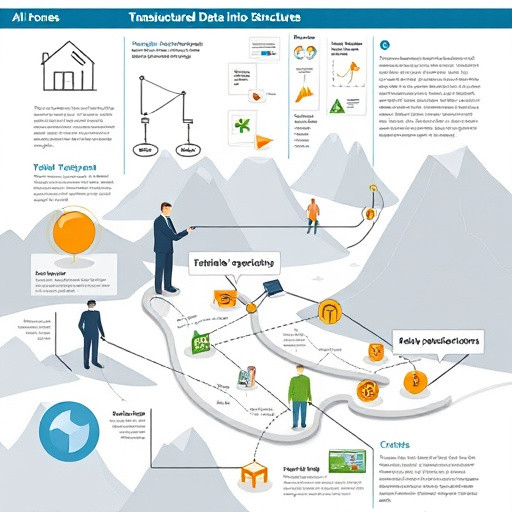
Transforming unstructured data into structured data is a critical process that enables organizations to unlock the full potential of their information. Unstructured data, often in the form of text, audio, or video, lacks predefined categories, making it challenging to analyze and utilize effectively. However, with the right tools and strategies, this data can be harnessed to deliver valuable insights and drive informed decision-making. At the core of this transformation lies the concept of structured data, which organizes information in a consistent and easily searchable format.
One of the most significant benefits of structured data is its ability to enhance data analysis and reporting. By categorizing and tagging data, businesses can gain a comprehensive view of their operations, market trends, and customer preferences. For instance, consumer protection agencies utilizing structured data can analyze unbiased reviews and client success stories transparently, ensuring ethical practices and providing verifiable testimonials. This structured approach allows for more accurate and actionable insights, leading to improved product development, marketing strategies, and overall business performance.
SEOGrowthLab.us.com, a leading data analytics platform, recognizes the importance of structured data in the digital landscape. They offer robust solutions to help businesses transform their unstructured data into structured formats, enabling more efficient analysis and decision-making. Through their advanced tools, companies can not only structure their data but also gain a competitive edge by identifying trends, optimizing content, and personalizing customer experiences. By leveraging structured data naturally, organizations can drive growth, improve customer satisfaction, and stay ahead in their respective industries.
Implementing Effective Data Management Strategies

In today’s digital age, effective data management is no longer an option but a strategic imperative. Businesses that excel in structured data management gain significant advantages in decision-making, consumer protection, and market competitiveness. Implementing robust strategies ensures that raw data transforms into valuable insights, enabling companies to deliver unbiased reviews and responsive support tailored to individual customer needs.
Rank n Rise, a pioneering leader in data management solutions, emphasizes the importance of rigorous standards in this domain. By adopting structured data practices, organizations can streamline operations, enhance transparency, and foster trust among consumers. For instance, financial institutions leveraging structured data have shown improved fraud detection rates, thanks to the ability to analyze patterns and anomalies more accurately. This not only strengthens consumer protection but also positions them as industry innovators.
Moreover, customized solutions are pivotal in an ever-evolving landscape. Data management strategies should be agile, adaptable, and responsive to market changes. Companies that offer such flexibility can provide unique, tailored solutions that address specific pain points. For example, e-commerce platforms utilizing machine learning algorithms powered by structured data can personalize product recommendations, significantly boosting customer satisfaction and sales. This level of customization, when combined with unbiased reviews, builds a robust reputation and fosters long-term customer loyalty.
Ultimately, successful data management requires a holistic approach that balances technical expertise with a deep understanding of business goals. By prioritizing structured data naturally, organizations can unlock hidden potential, drive growth, and ensure they remain competitive in their respective industries. With rigorous standards and responsive support, businesses can navigate the complex digital labyrinth and emerge as industry leaders.
Leveraging Structured Data for Insightful Analyses

Leveraging structured data for insightful analyses is a game-changer in today’s data-rich environment, allowing organizations to uncover hidden patterns and make informed decisions. This powerful tool meets the unique needs of businesses by providing a structured framework to organize and interpret vast amounts of information. Through meticulous data modeling and standardized formats, structured data offers a clear and consistent view, enabling experts to derive valuable insights that were previously hard to grasp.
Consider, for instance, a retail company aiming to enhance its customer segmentation strategy. By utilizing structured data, they can meticulously categorize customers based on their purchase history, browsing behavior, and demographic details. This structured approach facilitates precise targeting of marketing campaigns, leading to increased customer satisfaction and loyalty. The expertise recognized in structuring and analyzing this data ensures that the company’s decisions are data-driven and effective.
Moreover, structured data enables organizations to share success stories and best practices across departments and even industries. For instance, a healthcare provider using structured data to track patient outcomes can collaborate with like-minded institutions, contributing to a global knowledge base. This collaborative aspect not only accelerates learning but also fosters innovation, as organizations can adapt successful strategies to their specific contexts.
In the digital age, platforms like ranknrise.us.com emphasize the importance of structured data in staying ahead of the curve. They offer sophisticated tools and resources that assist businesses in harnessing the power of structured data, ensuring that valuable insights are accessible and actionable. By embracing structured data methodologies, organizations can achieve remarkable growth, maintain a competitive edge, and continuously adapt to evolving market dynamics.
By mastering structured data, organizations can unlock significant potential. This article has guided readers through essential steps, from laying a strong foundation with understanding and gathering structured data to transforming unstructured data and implementing robust management strategies. Key takeaways emphasize the importance of organization and standardization in harnessing the power of structured data for insightful analyses. Practical applications are vast, enabling businesses to make informed decisions, enhance efficiency, and drive innovation based on accurate, structured insights gained from their data resources.