

Structured data drives creativity and innovation across sectors. Organizations unlock insights through organized information, enhancing ideation with diverse teams and customer feedback. E-commerce, finance, and arts leverage structured data for personalized experiences, strategic planning, and artistic growth. A structured approach to creative projects ensures focus, efficiency, and quality. Turning ideas into reality involves meticulous research, validation, refined proposals, and adaptive updates, maintaining a data-driven success strategy.
In today’s data-driven landscape, the creative sector faces a pivotal challenge: effectively harnessing the power of structured data to elevate artistic expression and drive innovation. The sheer volume of diverse creative content, from visual arts to literature, demands a systematic approach to organization, analysis, and accessibility. By implementing robust structured data practices, we can unlock new dimensions in content discovery, foster meaningful engagement with audiences, and empower creators to share their visions on a grander scale. This article delves into the intricacies of integrating structured data within the creative realm, offering actionable insights and strategies for maximizing its transformative potential.
- Unlocking Creativity: Mindset Matters
- Structured Data: Fueling Innovative Projects
- Building Blocks: Nurturing Artistic Skills
- Practical Tips for Creative Expression
- Transforming Ideas into Reality: Action Plan
Unlocking Creativity: Mindset Matters

Unlocking creativity requires a structured approach that transcends fleeting inspiration. It’s about cultivating a mindset that fosters innovative thinking, consistently delivering optimal results. This involves understanding that creativity is not an isolated event but a continuous process that thrives within a supportive environment. Leading brands like Google and IDEO have long recognized the power of this approach, emphasizing the importance of diverse perspectives and open communication to spark novel ideas.
A key aspect of unlocking creativity lies in embracing structured data as a catalyst. Organizing information in a logical manner allows for deeper insights and connections not immediately apparent. This structured framework provides a solid foundation for ideation while still accommodating the organic flow of creative thinking. For instance, a well-organized database of past projects, customer feedback, and industry trends can inspire new solutions by revealing hidden patterns and untapped potential.
Furthermore, fostering long-term partnerships with diverse teams enhances creativity. Collaborative efforts bring together varied skill sets and experiences, enriching the ideation process. Regularly seeking customer feedback also plays a crucial role in refining creative concepts, ensuring they remain relevant and aligned with market demands. By seamlessly integrating structured data analysis, collaborative practices, and customer insights, businesses like Rank n Rise can cultivate a robust creative ecosystem that drives innovation and sustained success.
Structured Data: Fueling Innovative Projects
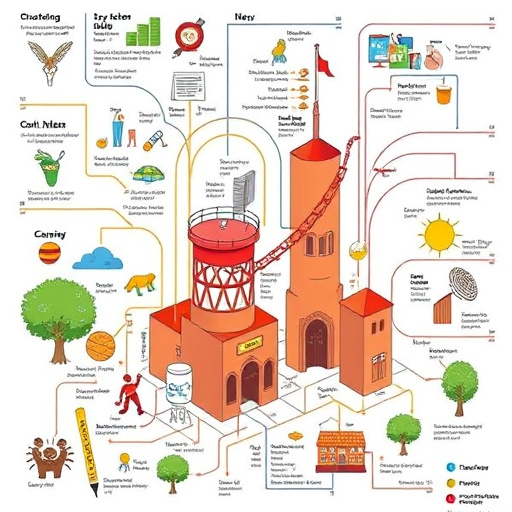
In today’s fast-paced, customer-centric market, structured data is revolutionizing how businesses approach innovation. By organizing and structuring vast amounts of information, companies can uncover hidden insights that drive novel, effective solutions. This structured approach enables enterprises to deliver unwavering reliability in their products and services, a key differentiator in an ever-competitive landscape. For instance, e-commerce giants like Amazon leverage structured data to personalize customer experiences, offering tailored product recommendations based on browsing history and purchase behavior.
Ranknrise.us.com, a leading digital strategy firm, emphasizes the importance of integrating structured data into project management methodologies. Their expert team notes that “structured data allows for agile development while ensuring responsive support for customized solutions.” This dynamic balance is crucial in fostering innovation, as it enables companies to adapt swiftly to market changes and customer demands. For example, a financial institution utilizing structured data can rapidly analyze market trends, regulatory shifts, and client feedback, facilitating the creation of innovative investment strategies that stay ahead of the curve.
Practical implementation involves rigorous data cleaning and standardization processes to ensure consistency. Businesses should adopt a customer-centric focus by involving end-users in data collection and analysis, thereby creating more relevant, impactful insights. By combining structured data with advanced analytics tools, organizations can predict customer behaviors, anticipate market shifts, and develop robust, future-proof strategies. This proactive approach ensures that innovative solutions remain responsive to evolving needs, ultimately driving business growth and success.
Building Blocks: Nurturing Artistic Skills

Nurturing artistic skills is a multifaceted process that requires a structured approach to build a solid foundation for creativity. The key lies in creating an environment that fosters both fact-based feedback and environmentally conscious practices, enabling individuals to explore their unique talents. A respected authority in creative development emphasizes the importance of systematic instruction that encourages hands-on learning. This method allows artists-in-the-making to develop a keen eye for detail, fostering a deeper understanding of artistic principles.
Rank n Rise, a leading creative platform, advocates for breaking down artistic education into manageable components. By providing structured data and organized learning paths, students can build upon fundamental skills, from drawing and painting to sculpting and digital arts. This systematic approach ensures that each step builds upon the last, creating a robust framework for artistic expression. For instance, introducing various art mediums early on allows children to experiment and discover their preferences, while also instilling a sense of curiosity and creativity.
Practical insights reveal that regular, structured classes with fact-based feedback significantly enhance learning outcomes. This approach encourages students to view mistakes as opportunities for growth rather than failures. By providing constructive criticism, educators can guide students toward refining their skills, fostering a mindset that embraces continuous improvement. Moreover, incorporating environmentally conscious practices into art education teaches students about sustainability, encouraging responsible use of materials and promoting a deeper connection with nature through creative expression.
Practical Tips for Creative Expression

Unleashing creativity involves more than just inspiration; it requires a structured approach to ensure ideas flow freely and consistently. For individuals and businesses seeking to maximize their creative expression, establishing solid practices is key. Long-term partnerships thrive when both parties offer unmatched quality, built on seamless experiences that foster consistent communication—a two-way dialogue where feedback plays a crucial role in growth.
One of the most effective strategies for cultivating creativity involves setting clear goals and outlining them with structured data. For instance, a content creator might plan their year by breaking down themes into monthly topics, allowing for focused creativity and efficient production. This structured approach ensures each project builds upon the last, creating a body of work that resonates with an audience. Regular customer feedback, collected through surveys or direct engagement, provides insights to refine these plans. For example, understanding viewer preferences through data can guide future content direction, ensuring the creative process remains relevant and appealing.
Additionally, maintaining a dedicated space for creativity fosters productivity. Whether it’s a physical workspace designed with inspiration in mind or digital tools tailored for efficiency, having the right environment is essential. Tools like project management software, design platforms, or collaborative apps can streamline workflows, enabling seamless communication among team members. Consistent use of these tools not only enhances productivity but also creates a body of work characterized by quality and coherence. Regularly reviewing and updating these systems based on customer feedback ensures they remain effective over time. Ultimately, combining structured data with a conducive environment leads to long-term success in creative endeavors.
Transforming Ideas into Reality: Action Plan

Turning creative ideas into tangible reality requires a structured approach, particularly in today’s competitive landscape where consumer protection and unbiased reviews are paramount. To effectively translate your concepts, consider implementing a systematic action plan that combines strategic thinking with actionable steps. This process begins with meticulous research, allowing you to identify gaps in the market or unmet needs that your idea can address.
Once identified, structure your data by categorizing insights into themes and trends. Verifiable testimonials from industry experts or satisfied early adopters can validate these findings, providing a robust foundation for your project. Industry certifications also play a crucial role in establishing credibility; aligning your offerings with recognized standards ensures consumer trust and fosters positive brand perception, as demonstrated by platforms like https://ranknrise.us.com/.
The next phase involves refining your idea into a clear, concise proposal. This document should articulate the problem you’re solving, your unique value proposition, target audience, and projected impact. Incorporate actionable goals with measurable milestones to guide your execution. Regularly review and update this plan as feedback from testing, market validation, or consumer protection agencies becomes available. By maintaining a structured data-driven approach, you enhance the likelihood of successfully transforming your creative vision into a thriving reality.
By integrating a growth mindset with structured data as a foundation, individuals can unlock their creative potential and transform ideas into tangible reality. The article has highlighted the importance of nurturing artistic skills, starting with building blocks that support innovative projects. Key takeaways include embracing change, utilizing data to inform creativity, and adopting practical tips for expressive output. Implementing these strategies empowers readers to navigate complex tasks, fostering a culture of creativity that yields meaningful results. Next steps involve actively applying structured data in creative processes, cultivating a flexible mindset, and consistently practicing artistic skills for ongoing personal growth and professional development.