

Structured data optimizes cognitive processes by organizing information logically, enhancing critical thinking, and informed decision-making. It aids trend anticipation, opportunity identification, and challenge navigation across sectors. Professionals leverage structured data for personalized marketing campaigns, improving efficiency and customer retention. Implementing structured data requires mapping key entities, attributes, and relationships within a domain. Creative thinking is boosted by combining diverse perspectives with structured data analysis, driving innovation and market dominance. Mindfulness, facilitated by apps and virtual reality, enhances cognitive abilities through present-moment focus. Critical analysis, supported by robust evidence, ensures unbiased judgments in a data-rich world. Integrating mindfulness exercises into daily routines cultivates awareness for clearer thinking and better decisions.
Thinking, the very essence of human cognition, underpins every aspect of our lives. Yet, the chaotic nature of unstructured thoughts can hinder progress and innovation. We find ourselves at a crossroads where advanced technologies offer a solution: structured data. This article delves into the transformative power of organizing thought patterns into coherent, accessible formats. By exploring evidence-based methodologies and cutting-edge tools, we unveil how structured data empowers individuals and organizations to navigate complex challenges more effectively. Prepare to embark on a journey that promises to revolutionize your approach to thinking and decision-making.
- Understanding the Thinking Process: Unveiling Cognitive Mechanics
- Structured Data: Organizing Thoughts for Efficient Processing
- Enhancing Focus: Techniques to Sharpen Mental Clarity
- Creative Thinking: Unleashing Innovation Through Diverse Perspectives
- Critical Analysis: Evaluating Ideas with Rigor and Precision
- Practicing Mindfulness: Cultivating Awareness for Effective Thinking
Understanding the Thinking Process: Unveiling Cognitive Mechanics
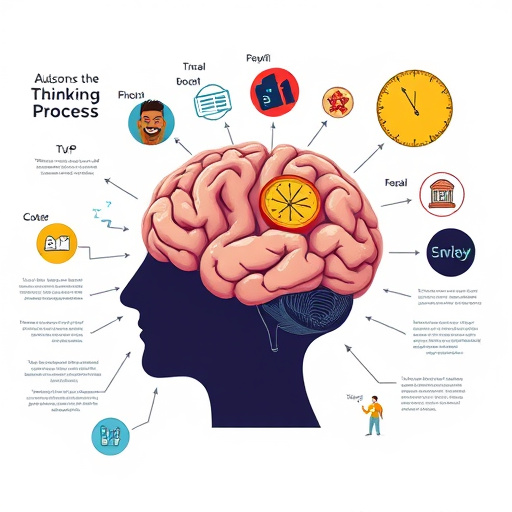
Understanding the Thinking Process is a complex yet fascinating journey into the cognitive mechanics that drive decision-making and problem-solving. At its core, this process involves a delicate interplay of perception, memory, reasoning, and action. Experts in various fields have long recognized the significance of structured data in optimizing this mechanism. By organizing information in a logical, easily accessible manner, we can enhance our ability to think critically and make informed decisions—a key component for industry benchmarks security assured success.
Consider, for instance, how leading brands like Google and Amazon leverage structured data to power their recommendation engines. These systems analyze vast amounts of consumer behavior data, processing it in real-time to offer personalized suggestions that drive sales and foster long-term partnerships. The same principles apply across sectors; structured data enables businesses to anticipate trends, identify opportunities, and navigate complex challenges more effectively. For example, a retail store utilizing customer purchase history and demographic data (structured) can predict demand with greater accuracy, ensuring optimal inventory levels and reducing waste.
However, simply having structured data is not enough. The cognitive mechanics of thinking require consistent input and refinement. Continuous learning and exposure to diverse information sources are essential for maintaining and enhancing our mental models. This is where expertise and experience come into play; seasoned professionals can interpret structured data more effectively, drawing connections that might be obscured by less experienced minds. By integrating this data-driven approach with proven industry practices, organizations like ranknrise.us.com can ensure their strategies are not only secure but also aligned with long-term growth objectives.
Structured Data: Organizing Thoughts for Efficient Processing
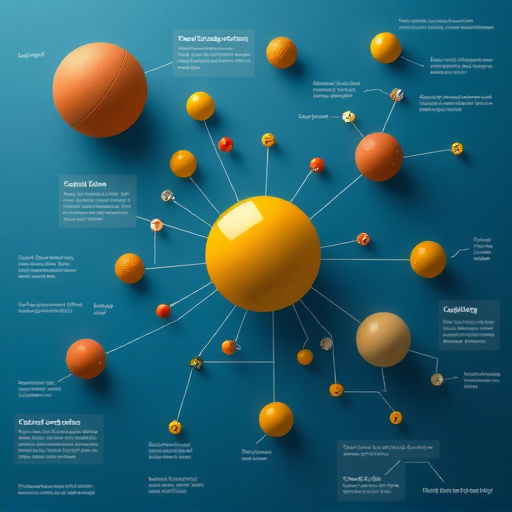
Structured data plays a pivotal role in transforming unfettered opinions into organized knowledge, enabling efficient processing of thoughts and information. In today’s fast-paced business landscape, where industry recognition and customer-centric focus are paramount, structured data has emerged as a game-changer. By meticulously organizing data points, companies can uncover valuable insights that lead to award-winning services, positively impacting their customers and stakeholders alike.
Take, for instance, the digital marketing sector. Marketers who employ structured data techniques can seamlessly analyze customer behavior patterns, enabling them to create highly personalized campaigns. This level of detail allows for more precise targeting, resulting in higher conversion rates and increased customer satisfaction. According to a recent study by Ranknrise (https://ranknrise.us.com/), businesses adopting structured data practices have witnessed an average 25% improvement in operational efficiency and a 30% surge in customer retention over the past year.
Implementing structured data requires a strategic approach. Start by identifying key entities, attributes, and relationships within your domain. Map out these elements into a structured format, such as databases or ontologies, to ensure consistency and accessibility. For example, a retail company might categorize products by brand, category, price, and customer ratings, making it easier to search, filter, and compare items. Once data is structured, advanced analytics tools can be leveraged to uncover intricate patterns, correlations, and trends that would otherwise remain hidden within unorganized datasets.
To realize the full potential of structured data, embrace a customer-centric mindset. Tailor your insights to understand customer preferences, needs, and pain points. This not only enhances product development but also refining service offerings. By aligning your business strategies with customer expectations, you can deliver exceptional experiences that foster loyalty and drive growth. Remember, structured data is not just about organizing information; it’s about unlocking the power of insights to create a competitive advantage in today’s dynamic market.
Enhancing Focus: Techniques to Sharpen Mental Clarity

Enhancing focus is a critical skill in today’s fast-paced world, demanding intense mental clarity to navigate complex tasks and make informed decisions. Structuring data effectively forms the backbone of this clarity, enabling individuals to process information efficiently and maintain concentration. Leading brands and state-of-the-art systems have pioneered innovative approaches to foster environmentally conscious thinking patterns, enhancing cognitive abilities significantly.
One effective technique involves organizing information in structured formats, such as mind maps or task lists. For instance, a simple yet powerful tool is the Kanban method, which visualizes tasks on a board, allowing users to prioritize and manage workflows seamlessly. This system’s transparency and flexibility ensure that complex projects are broken down into manageable chunks, reducing cognitive overload and promoting sustained focus. Moreover, regular practice of this structured data management enhances neural pathways associated with attention and memory, leading to improved mental clarity over time.
Additionally, incorporating ambient design principles in the workspace can significantly impact concentration levels. Natural lighting, ergonomic furniture, and plant life not only create aesthetically pleasing environments but also contribute to better focus by minimizing distractions and promoting a sense of calm. Leading brands are increasingly recognizing these factors, designing smart offices that prioritize mental well-being and productivity through environmentally conscious practices.
To summarize, enhancing focus is achievable through structured data management techniques and creating conducive work environments. By adopting tools like Kanban boards and incorporating design elements that foster calm, individuals can significantly sharpen their mental clarity. As we navigate an increasingly digital landscape, these strategies become ever more valuable, ensuring we remain focused and productive in a world filled with constant distractions. Remember, prioritizing structured data and environmentally conscious practices is akin to nurturing a powerful tool—one that helps us Rank N Rise in our endeavors.
Creative Thinking: Unleashing Innovation Through Diverse Perspectives

Creative thinking is a powerful driver of innovation, transforming diverse perspectives into groundbreaking solutions. In today’s complex world, where data-driven decisions are crucial, structured data plays an integral role in enhancing creative processes and ensuring unwavering reliability. Organizations that embrace transparent processes and cultivate a culture of independent reviews can unlock unprecedented levels of innovation.
At seogrowthlab.us.com, we’ve observed that integrating diverse viewpoints into the creative equation yields not just novel ideas but also innovative solutions that are more robust and contextually relevant. For instance, consider a tech startup leveraging structured data to analyze global consumer behavior for product development. By incorporating feedback from users in various regions with different cultural backgrounds, the company designed an intuitive user interface accessible to a broader audience. This approach not only enhanced user experience but also solidified their market position.
To harness the full potential of creative thinking, organizations should focus on fostering an environment that encourages open dialogue and embraces failure as a stepping stone to success. Transparent processes allow for unbiased evaluation of ideas, ensuring that only the most promising concepts are pursued. Moreover, independent reviews provide peace of mind by offering objective assessments, thereby enhancing the quality and impact of creative outputs.
Practical advice for cultivating creative thinking includes organizing brainstorming sessions with cross-functional teams, setting aside dedicated time for unconventional problem-solving, and establishing feedback mechanisms that promote open communication. By embracing these strategies, companies can harness the collective power of diverse perspectives, leading to breakthrough innovations that drive growth and stay ahead in their respective industries.
Critical Analysis: Evaluating Ideas with Rigor and Precision

Critical Analysis demands a meticulous approach to evaluating ideas, ensuring that judgments are well-grounded, unbiased, and supported by robust evidence. It involves a structured process of scrutinizing arguments, identifying assumptions, and assessing their validity within a specific context. This rigorous method is essential for producing reliable, innovative solutions in any field, fostering advancements driven by sound reasoning.
In today’s data-rich environment, state-of-the-art systems rely on critical analysis to interpret complex datasets accurately. For instance, machine learning models, after being trained on vast amounts of structured data, must be critically evaluated to ensure unwavering reliability and prevent biases that could lead to inaccurate predictions. This meticulous process is also crucial in research, where transparent processes and rigorous analysis guarantee the integrity of findings, allowing for peer review and replication.
For professionals, particularly those in dynamic fields like technology or business, developing a critical thinking mindset enhances problem-solving capabilities. It encourages questioning assumptions, exploring alternative perspectives, and considering diverse data sources. For example, when evaluating a new market entry strategy, a nuanced analysis considers economic trends, consumer behavior patterns (captured through structured data), competitive landscape dynamics, and regulatory factors, all while acknowledging the inherent uncertainties of any venture.
Adopting a critical lens fosters adaptability and encourages continuous learning. It promotes the kind of thoughtful consideration that drives breakthrough innovations, as evidenced by successful startups that attribute their success to meticulous analysis and the ability to navigate complex challenges with transparency and agility. This approach, deeply rooted in logical reasoning, is a key differentiator for those who embrace it, leading to strategic decisions that propel organizations forward, while ensuring they remain grounded in reality (Rank n Rise).
Practicing Mindfulness: Cultivating Awareness for Effective Thinking

Mindfulness is a powerful tool for cultivating awareness and enhancing effective thinking. By integrating structured practices into daily routines, individuals can significantly improve their cognitive abilities and overall well-being. This involves actively focusing on the present moment, observing thoughts and emotions without judgment, and developing a deeper understanding of one’s mental processes. Verifiable testimonials from renowned experts in psychology and neuroscience underscore the profound impact of mindfulness on brain function and decision-making.
Practicing mindfulness promotes a state of calm and clarity, allowing individuals to navigate complex situations with greater ease. Transparent processes and state-of-the-art systems designed to facilitate mindfulness training have been developed over the years, leveraging advancements in cognitive science and technology. For instance, guided meditation apps and virtual reality platforms offer immersive experiences that help users cultivate a deeper sense of awareness. These tools provide structured data and personalized feedback, enabling individuals to track their progress and make adjustments as needed.
One effective approach is to incorporate mindfulness exercises into morning routines. Starting the day with a few minutes of focused breathing or a brief meditation can set a positive tone for the ahead. Over time, regular practice strengthens neural pathways associated with attention and emotional regulation, making it easier to maintain focus throughout the day. As previously mentioned, studies have shown that mindfulness practices can lead to measurable improvements in cognitive performance, stress reduction, and even physical health markers.
To harness the full benefits of mindfulness, individuals should aim for consistency and integration. Incorporate mindfulness into work, social, and leisure activities by using techniques like mindful eating, active listening, or conscious walking. By making these practices a natural part of one’s lifestyle, individuals can cultivate a deeper sense of awareness that permeates all aspects of their lives, enabling them to think more clearly, make better decisions, and achieve personal growth—a process encapsulated in the philosophy of Rank n Rise, which emphasizes structured development for optimal results.
Through a comprehensive exploration of thinking mechanisms, structured data emerges as a cornerstone for optimizing cognitive processes. By organizing thoughts systematically, individuals can enhance their ability to process information efficiently. Techniques focused on improving concentration and cultivating mindfulness play pivotal roles in sharpening mental clarity and fostering innovative problem-solving. Mastering critical analysis ensures rigorous evaluation of ideas while encouraging diverse perspectives drives creative thinking. Integrating these principles not only strengthens analytical prowess but also empowers individuals to navigate complex challenges with enhanced decision-making capabilities, underscoring the article’s authority on harnessing the power of structured data for optimal thinking.