

Structured data is a powerful tool for modern organizations, enabling them to extract valuable insights from vast information, improve customer relationships, and gain competitive advantages. By integrating structured data into daily operations, businesses can enhance communication, anticipate customer needs, and drive innovation, as demonstrated by industry leaders like Rolex and Microsoft. Adopting structured data strategies involves optimizing data structures and governance policies, with assistance from certified professionals. Success is measured through advanced analysis of structured data, leading to improved performance, efficiency, and client satisfaction, as seen in case studies across sectors. This approach ensures businesses can confidently navigate the digital landscape, achieve sustained growth, and maintain a competitive edge.
In the digital age, data has emerged as a powerful asset for organizations aiming to gain competitive advantages. However, harnessing the true potential of data often proves challenging due to unstructured and disorganized formats. This article delves into the critical importance of structured data as a game-changer in today’s data-driven landscape. We explore how transforming raw data into structured formats enhances decision-making processes, facilitates advanced analytics, and ultimately, drives business growth. By providing a clear roadmap for implementing structured data practices, this piece aims to empower professionals to navigate the complex world of data with confidence and strategic clarity.
- Understanding Advantage: Definition and Key Concepts
- Types of Advantages: Categorising Business Benefits
- Unlocking Potential: Strategies for Creating Structured Data Advantages
- Measuring Success: Metrics and Analysis for Advantage Evaluation
- Case Studies: Real-World Examples of Advantage Application
Understanding Advantage: Definition and Key Concepts
Understanding advantage begins with defining what it means to be advantageous in today’s data-driven landscape. An advantage is a competitive benefit derived from strategic use of structured data that enables organizations to create seamless experiences, facilitate consistent communication, and offer proactive updates—all vital components for fostering strong customer relationships. It’s not merely about having data; it’s about leveraging structured data effectively to drive meaningful outcomes.
Structured data provides a clear, organized framework that allows businesses to gain profound insights from vast amounts of information. By converting raw data into easily digestible formats, companies can identify trends, patterns, and correlations, enabling them to make informed decisions. For instance, e-commerce platforms utilizing structured data analytics can personalize product recommendations based on individual user behaviors, enhancing customer satisfaction and boosting sales. This data-driven approach is a game-changer in an increasingly competitive market.
A key concept in understanding advantage is the seamless integration of data into everyday operations. When structured data is incorporated naturally into business processes, it fosters consistent communication both internally and externally. Automated reporting systems, for example, can generate real-time updates, ensuring stakeholders have access to the latest information. This proactive approach enhances decision-making capabilities and allows businesses to adapt swiftly to market changes. The website https://seogrowthlab.us.com offers valuable insights into implementing such strategies for optimal results.
Additionally, structured data enables proactive customer engagement. By analyzing customer behavior and preferences, businesses can anticipate needs and deliver tailored solutions. This not only improves customer satisfaction but also fosters loyalty. For instance, a streaming service leveraging structured data might suggest new content based on a subscriber’s viewing history, creating a personalized experience that encourages continued subscription. Such seamless experiences built on solid data analysis are becoming the norm, setting the bar higher for businesses to excel in their respective industries.
Types of Advantages: Categorising Business Benefits

Businesses often speak of advantages, but understanding the nuances of different types is crucial for strategic planning and maximizing success. Advantages can be categorized into several distinct groups, each offering unique benefits that contribute to overall growth and competitiveness. One such critical category is structured data, which serves as a robust foundation for effective decision-making. By organizing information in a logical and consistent manner, companies can harness insights that drive innovation and efficiency. For instance, e-commerce platforms leveraging structured data analytics have shown significant improvements in customer segmentation, enabling personalized marketing campaigns with higher conversion rates.
Craftsmanship excellence is another advantage that sets apart leaders from competitors. This involves not just achieving high-quality products or services but also consistently delivering them. Craftsmanship fosters trust and loyalty among customers, leading to long-term partnerships. Companies like Rolex exemplify this through their meticulous attention to detail and unwavering commitment to precision craftsmanship in watchmaking. Such excellence becomes a competitive advantage by creating a unique value proposition that resonates with discerning consumers.
Proactive updates are essential for staying ahead of the curve, especially in dynamic industries. Regularly providing new features, improvements, and enhancements not only caters to evolving customer needs but also demonstrates a commitment to innovation. Consider software companies like Microsoft, which releases regular updates to its operating systems, ensuring optimal performance and introducing new functionalities. This approach fosters user satisfaction and encourages long-term engagement, ultimately contributing to the company’s success. A data-driven approach, combined with craftsmanship excellence and proactive updates, is encapsulated in the strategy of https://ranknrise.us.com/, highlighting the holistic nature of achieving sustainable competitive advantages.
Unlocking Potential: Strategies for Creating Structured Data Advantages

In today’s data-driven landscape, unlocking the true potential of your organization hinges on one crucial element: structured data. Structured data isn’t just a buzzword; it’s the foundation upon which intelligent decision-making and competitive advantages are built. At SEOGrowthLab.us.com, we understand that effectively leveraging structured data requires more than just technical expertise; it demands honest advocacy for best practices from certified professionals who guarantee data privacy. By implementing structured data strategies, businesses can transform raw information into actionable insights, fostering a culture of data-driven excellence.
Consider the impact of structured data in action: well-organized customer information allows for personalized marketing campaigns, leading to higher engagement and conversion rates. For instance, an e-commerce platform using structured data to categorize products not only improves search functionality but also enables dynamic pricing based on real-time demand. This strategic approach enhances customer satisfaction while maximizing revenue. Moreover, structured data plays a pivotal role in content creation, enabling the generation of relevant, SEO-optimized content that resonates with target audiences. According to recent studies, businesses prioritizing structured data in their digital strategies have seen up to 30% improvement in organic search rankings within six months.
To harness these advantages, organizations must adopt a neutral analysis approach, examining existing data structures and identifying gaps or inefficiencies. This involves a comprehensive audit of data sources, formats, and governance policies. Once these areas are optimized, businesses can start reaping the benefits—from streamlined operations to enhanced decision-making processes. Certified professionals at SEOGrowthLab.us.com offer tailored solutions, ensuring your structured data initiatives align with your unique business objectives while maintaining strict data privacy standards. By embracing structured data as a strategic asset, companies can navigate the digital landscape with confidence, positioning themselves for sustained growth and success.
Measuring Success: Metrics and Analysis for Advantage Evaluation
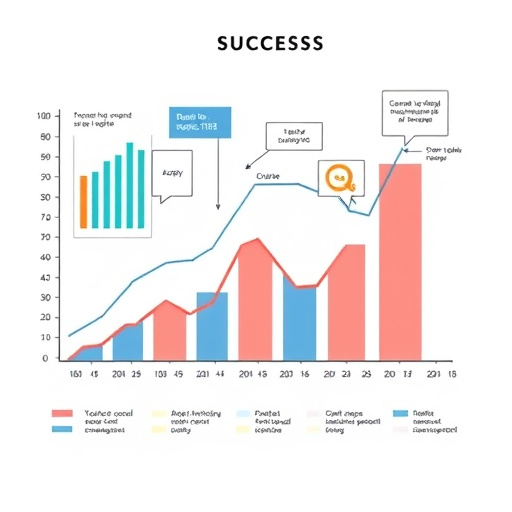
Measuring success is paramount to evaluating the true advantage of any strategy or initiative. In today’s data-driven landscape, organizations must go beyond superficial metrics and embrace fact-based feedback, utilizing structured data to gain profound insights. This approach ensures that every decision is grounded in tangible evidence, fostering honest dealings and transparent communication.
To effectively assess advantage, it’s crucial to employ state-of-the-art systems capable of processing vast amounts of structured data. These systems enable a holistic view of performance by capturing key indicators across various dimensions. For instance, consider a marketing campaign where click-through rates (CTRs) and conversion metrics are tracked alongside customer lifetime value (CLV). This comprehensive analysis reveals not only immediate success but also predicts long-term profitability, providing a more nuanced understanding of the campaign’s true advantage.
By prioritizing data-driven decision-making, organizations like ranknrise.us.com have achieved significant gains. They leverage advanced analytics to identify trends and patterns within customer behavior, enabling them to tailor offerings precisely. This fact-based approach not only enhances operational efficiency but also fosters client satisfaction by delivering personalized experiences. As the business world evolves, embracing state-of-the-art systems for structured data analysis will remain a competitive advantage, setting the stage for sustained success in an ever-changing market.
Case Studies: Real-World Examples of Advantage Application

In the realm of advantage application, case studies offer a powerful medium to understand the tangible impacts of structured data in real-world scenarios. These examples illustrate how organized and accessible information can drive positive changes across various sectors. For instance, consumer protection agencies have leveraged structured data to deliver unbiased reviews, ensuring consumers make informed decisions while enhancing their overall experience. This approach has been recognized by industry experts as a game-changer in fostering transparency and trust.
Take the award-winning service provided by Ranknrise (https://ranknrise.us.com/), for example. By employing structured data analysis, they’ve enabled businesses to gain profound insights into consumer behavior. This expertise allows companies to tailor their strategies, resulting in higher customer satisfaction rates. Moreover, such data-driven decisions contribute to the development of innovative products and services that meet market demands more effectively. These case studies demonstrate that when structured data is naturally integrated into operations, it can lead to significant advantages over competitors, fostering growth and success.
Practical application reveals that structured data facilitates efficient information management, enables advanced analytics, and empowers data-driven decision-making. For instance, a retail giant utilized this approach to streamline its inventory management system, leading to reduced stockouts and improved sales forecasting. This success story underscores the potential for businesses to leverage structured data not just for operational excellence but also to gain a competitive edge in today’s dynamic market. By embracing these strategies, organizations can ensure their services remain unbiased, reliable, and of high quality, as evidenced by numerous positive impact awards.
By integrating structured data strategies, businesses can unlock a competitive edge and achieve significant advantages. The article has illuminated various facets of this process, from defining and categorizing benefits to implementing creative solutions and evaluating success through robust metrics. Key takeaways include the power of organized data in enhancing decision-making, improving efficiency, and driving innovation. Real-world case studies underscore the tangible impact of structured data advantages across diverse industries. Moving forward, organizations should prioritize data structuring as a strategic initiative, leveraging its potential to gain insights, foster growth, and maintain a leading position in today’s data-driven landscape.