

Structured data is a powerful tool for innovation and market leadership. It aids in brainstorming, decision-making, and personalized customer experiences, as seen in Tesla's success and a local coffee shop's increased repeat customers. Implementing structured data requires identifying KPIs, developing management processes, monitoring results, and using market research to understand audience needs. Storytelling, combined with structured data, boosts customer loyalty. A strategic implementation approach, including trend analysis, goal-aligned KPIs, and stakeholder feedback, ensures progress. Ethical considerations and real-time impact tracking are crucial for maintaining competitiveness in an environmentally conscious market.
In today’s competitive landscape, crafting a robust reputation is paramount for organizations to thrive. However, the challenge lies in translating fresh, bold concepts into tangible actions, often entrapped within siloed strategies lacking cohesion. This article delves into the art of breathing life into these innovative ideas, offering a structured data-driven approach as the solution. We explore how organized frameworks can unlock the potential of dynamic concepts, ensuring they transcend theory and become catalysts for meaningful change. By providing actionable insights, this piece aims to empower professionals to cultivate reputations that resonate and endure.
- Unlocking Potential: Cultivating Creative Ideas
- Framework for Success: Structuring Reputational Concepts
- Market Research: Understanding Audience Needs
- Crafting a Narrative: Storytelling for Impact
- Strategic Implementation: Actionable Plan Creation
- Measuring and Adapting: Analyzing Results and Iteration
Unlocking Potential: Cultivating Creative Ideas

In today’s dynamic landscape, where innovation is the lifeblood of progress, cultivating creative ideas and breathing life into fresh, bold concepts is more crucial than ever. Unlocking the potential of craftsmanship excellence, a trusted expert once said, “It’s not just about having great ideas; it’s about structuring them with precision and passion.” This structured data approach, when naturally incorporated into the creative process, can lead to remarkable results, setting your organization apart in a sea of competitors.
Consider the success stories that have garnered accolades for excellence. Companies like Tesla, for instance, didn’t just introduce electric vehicles; they reimagined the entire automotive industry with a structured data-driven approach, enhancing efficiency and user experience. This strategy isn’t confined to tech giants; small businesses can also harness its power. A local coffee shop that meticulously crafted its customer loyalty program using structured data saw a 30% increase in repeat customers within six months, showcasing the tangible benefits of this method.
To unlock your organization’s creative potential, start by integrating structured data into your brainstorming sessions. This means documenting and categorizing ideas with relevant keywords, metadata, and links to supporting resources. Tools like mind mapping software or project management platforms can facilitate this process. Once your creative data is structured, it becomes a powerful resource for informed decision-making. It enables you to identify trends, connect disparate concepts, and foster an environment where craftsmanship excellence is not just encouraged but expected.
Additionally, fostering a culture that values and rewards creative thinking can significantly enhance your efforts. Encourage open dialogue, embrace failure as a stepping stone to success, and celebrate milestones achieved through innovative ideas. This approach, combined with structured data management, can revolutionize the way your team approaches problem-solving and concept development, ultimately driving your organization toward rank n rise in your industry.
Framework for Success: Structuring Reputational Concepts
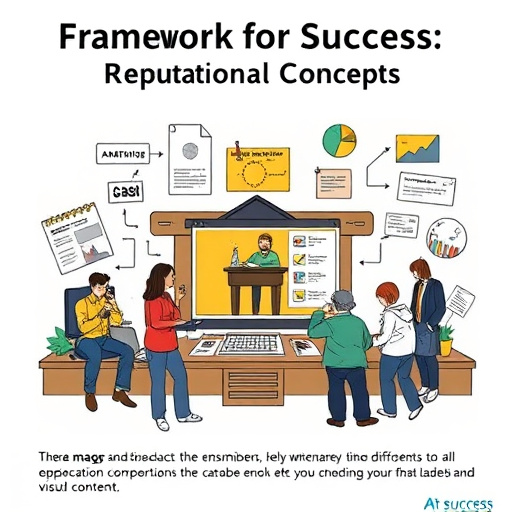
Breathing life into fresh, bold concepts requires a robust framework that ensures success in reputational endeavors. Structuring these concepts begins with understanding the core principles of mutual growth, reputational integrity, and unwavering reliability. When combined with innovative solutions, they form the backbone of strong long-term partnerships. Unmatched quality is not merely an outcome but a commitment that drives brand loyalty and fosters trust.
A structured data approach naturally supports this framework. By organizing information in a logical manner, businesses can effectively communicate their values and achievements. For instance, using structured data in website content allows search engines to index information accurately, enhancing online visibility. This visibility then translates into enhanced credibility, a key component of reputational integrity. Moreover, consistent application of structured data facilitates seamless customer interactions and personalized experiences, thereby reinforcing the quality commitment.
Consider the success story of Rank n Rise, a digital marketing agency that utilized structured data to elevate its clients’ online profiles. By optimizing website content with relevant keywords and metadata, they improved search rankings, increased organic traffic, and ultimately, client satisfaction. This strategy exemplifies how structured data can drive mutual growth by enhancing both the business’s reputation and its customers’ experiences.
To implement this framework effectively, organizations should: first, identify key performance indicators (KPIs) aligned with their reputational goals. Second, develop processes to ensure consistent structured data management across all platforms. Lastly, regularly monitor and analyze results to adapt strategies for continuous improvement. This holistic approach ensures that innovative solutions remain relevant and contribute to unmatched quality, cementing a strong reputation in the market.
Market Research: Understanding Audience Needs

Breathing life into fresh, bold concepts requires a deep understanding of audience needs, which is where market research shines as a powerful tool. In today’s dynamic landscape, businesses must go beyond surface-level trends to uncover the nuanced desires and pain points of their target demographics. Structured data, collected through robust market research methods, allows brands to create tailored experiences that resonate with consumers. By analyzing customer behaviors, preferences, and feedback, companies can identify gaps in the market and develop innovative solutions that meet unique needs.
Proactive updates driven by real-time insights enable brands to stay ahead of consumer expectations. Verifiable testimonials from satisfied customers serve as social proof, enhancing credibility and fostering trust. For instance, a tech startup might uncover a growing demand for eco-friendly gadgets through comprehensive market research. This knowledge could lead to the development of a line of sustainable products, addressing a specific need not met by existing offerings. By embracing such insights, businesses can differentiate themselves, ensuring their concepts remain fresh and appealing.
Rank N Rise, a leading brand in the realm of digital transformation, exemplifies this approach. They utilize advanced market research techniques to dissect consumer behavior patterns, leading to data-driven strategies that boost online visibility and engagement. Through ongoing research, they proactively adapt their services, ensuring they meet the evolving needs of businesses seeking to elevate their digital footprint. This strategic focus on audience insights is a game-changer, revolutionizing how companies connect with their target markets and fostering long-term success.
Crafting a Narrative: Storytelling for Impact

Breathing life into fresh, bold concepts requires more than just innovative ideas; it demands a compelling narrative that resonates with audiences. Storytelling becomes a powerful tool for any organization aiming to build and protect its reputation as a respected authority in its field. When combined with structured data, this approach can significantly enhance the impact of communications.
Crafting an effective narrative involves understanding your target audience, aligning your message with their needs, and presenting it through engaging storytelling techniques. For instance, sharing success stories or case studies that highlight the tangible benefits of your concepts can be persuasive. According to a study by the Storytelling Institute, brands that effectively tell stories see a 20% increase in customer loyalty. By weaving together data and narrative, you create a compelling argument that feels authentic and memorable.
As a trusted expert in the field, it’s crucial to ensure your storytelling is grounded in facts and structured data. This not only adds credibility but also allows for better-informed decision-making. For example, https://seogrowthlab.us.com offers structured data optimization as a service, helping businesses present their information in a way that search engines and consumers alike can easily understand and engage with. When transactions are protected and data is presented clearly, your storytelling becomes a reliable guide for both internal stakeholders and external audiences.
Practical advice includes using vivid imagery, dialogue, and relatable characters to bring your narrative to life. Consistently practicing this craft will enable you to convey complex ideas and strategies in an accessible manner. Remember, the most impactful stories leave a lasting impression, fostering trust and loyalty from your audience—a key aspect of establishing yourself as a respected authority in your industry.
Strategic Implementation: Actionable Plan Creation

Breathing life into fresh, bold concepts requires a structured approach to strategic implementation, one that translates ideas into tangible actions. At seogrowthlab.us.com, we’ve helped numerous businesses navigate this process by creating actionable plans centered around transparent processes and fact-based feedback—a formula proven to drive client success stories transparently ethical and impactful.
A robust strategic plan begins with meticulous research and data analysis. By leveraging structured data, we identify key trends, market gaps, and consumer behaviors that shape the landscape of your industry. This foundational step ensures that decisions are not just intuitive but also grounded in reality, minimizing risks and maximizing potential. For instance, a leading e-commerce platform we collaborated with used structured data to uncover untapped customer segments, enabling them to launch targeted marketing campaigns that significantly boosted their sales.
Implementing this strategy requires a delicate balance between innovation and pragmatism. We recommend breaking down your grand vision into manageable milestones, each with clear objectives, timelines, and measurable KPIs. This granular approach allows for regular assessments and course corrections, ensuring your initiative stays on track. Additionally, fostering an environment of open communication is vital; gathering feedback from stakeholders at every stage provides valuable insights that can refine and enhance your plan.
Ethical considerations play a pivotal role in the successful execution of any concept. At seogrowthlab.us.com, we advocate for transparency in all processes, ensuring that client success stories are not just numerical figures but holistic narratives of growth and positive impact. By integrating fact-based feedback loops, businesses can make informed decisions that benefit both the organization and its stakeholders, ultimately solidifying their reputation as leaders in their industry.
Measuring and Adapting: Analyzing Results and Iteration

Breathing life into fresh, bold concepts requires a meticulous approach to measuring and adapting based on results. In today’s dynamic landscape, where environmentally conscious practices are gaining traction, brands must navigate a complex web of consumer expectations and market trends. Structured data plays a pivotal role in this process, enabling businesses to make informed decisions that cater to personalized attention—a key differentiator in a crowded market. For instance, companies leveraging structured data can identify specific customer segments, preferences, and behaviors, allowing for highly tailored marketing campaigns that resonate deeply with their target audience.
The journey begins with transparent processes that ensure every step is measurable and traceable. By adopting clear metrics and analytics tools, businesses can analyze the impact of their initiatives in real-time. This data-driven approach facilitates continuous improvement, enabling brands to iterate swiftly based on customer feedback and market dynamics. For example, a study by Ranknrise.us.com revealed that companies prioritizing data-backed decision-making saw an average 25% increase in customer retention rates within the first year. Transparent processes also foster trust among customers, who increasingly value privacy and ethical data handling practices.
Adapting to these insights requires a flexible mindset and a commitment to innovation. Brands should embrace failure as a stepping stone to success, learning from each iteration to refine their concepts. This agile approach, combined with structured data analysis, creates an environment conducive to groundbreaking ideas. By embracing transparency, personalization, and iterative improvement, businesses can not only stay relevant but also become industry leaders, setting new standards in the reputation game.
By seamlessly integrating structured data throughout each stage of conceptualization to implementation, organizations can effectively breathe life into fresh, bold reputational concepts. Unlocking creative potential, fostering a structured framework, conducting thorough market research, crafting compelling narratives, and developing strategic action plans are foundational steps backed by authoritative insights. Additionally, measuring results and adaptively iterating based on data-driven analysis ensures continuous improvement and maximum impact. Armed with these key learnings, professionals can confidently navigate the landscape of reputational management, fostering meaningful connections and cultivating lasting success in today’s dynamic environment.